
Every baker knows that things don’t always go to plan. This might be through fault of our own, the recipe which we were following, or from any other number of factors. In recent days I’ve been thinking about this blog and how-so far- nothing has seemed to go too wrong. I knew it would only be a matter of time before I would pull something from my oven that I wasn’t entirely happy with.
I am an amateur baker, and although I want to provide helpful, tasty recipes, I also want to show what happens when things don’t turn out as you expected, or hoped. Sometimes you come out with something that’s completely inedible. I’ve been baking for years and this still happens to me. Sometimes, however, you come out with something which could be great, with a bit of inspiration.
I’d been struggling with deciding what to make today and eventually decided to make some gingerbread buns. I pictured plump, even, golden brown buns which I would decorate with pretty white icing swirls. Instead the cakes turned out with craggy surfaces and hard lumps of muscovado sugar.
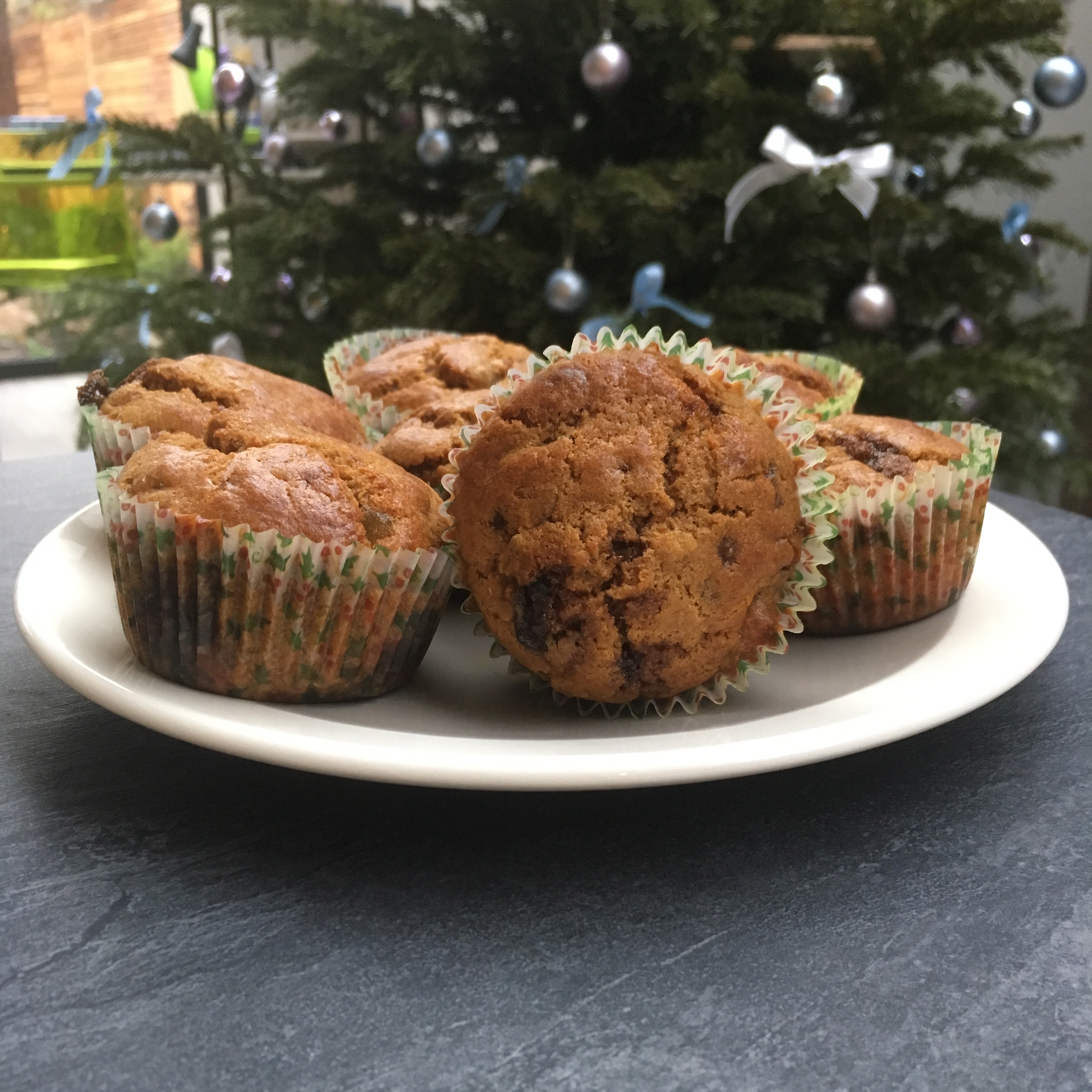
As I sat in front of the oven watching the buns bake I questioned putting them on this blog. I thought that they were too imperfect. I didn’t go out into the rain to get more ingredients for a fresh batch (I couldn’t have done that anyway as I have to work) and I scolded myself for being lazy. I have this idea in my head that other baking bloggers work weeks perfecting their recipes instead of making it once and hoping for the best (I don’t know if this is true or not).
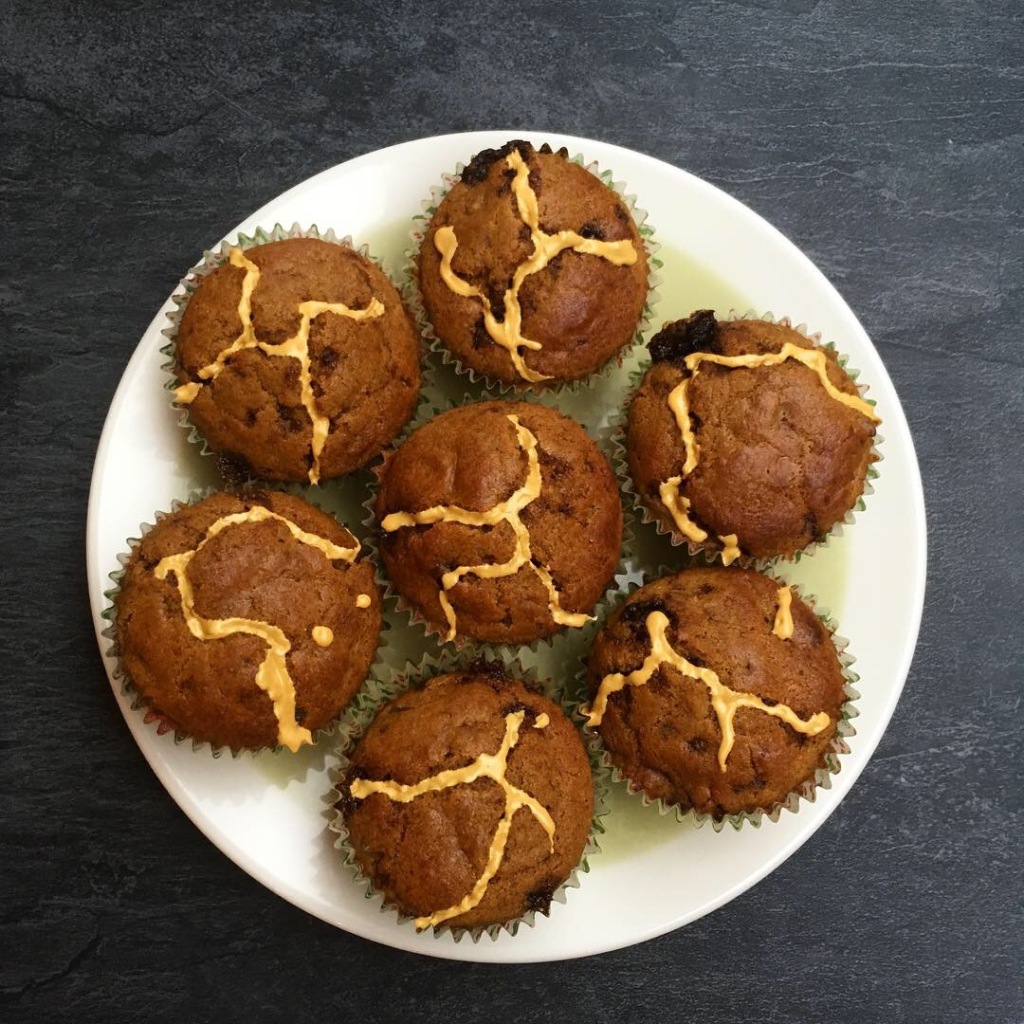
Then I realised- this could be a teaching opportunity. I could take these perfectly good cakes and turn them into something unique. I knew that I couldn’t cover the crags with icing, so I decided instead to enhance them. This choice was inspired by the Japanese art of kintsugi, in which broken crockery is repaired with molten gold. Instead of disposing of a broken bowl or plate, it is made even more beautiful than it was before. I love the way the gold icing makes delicate patterns on these buns as it flows through the cracks.
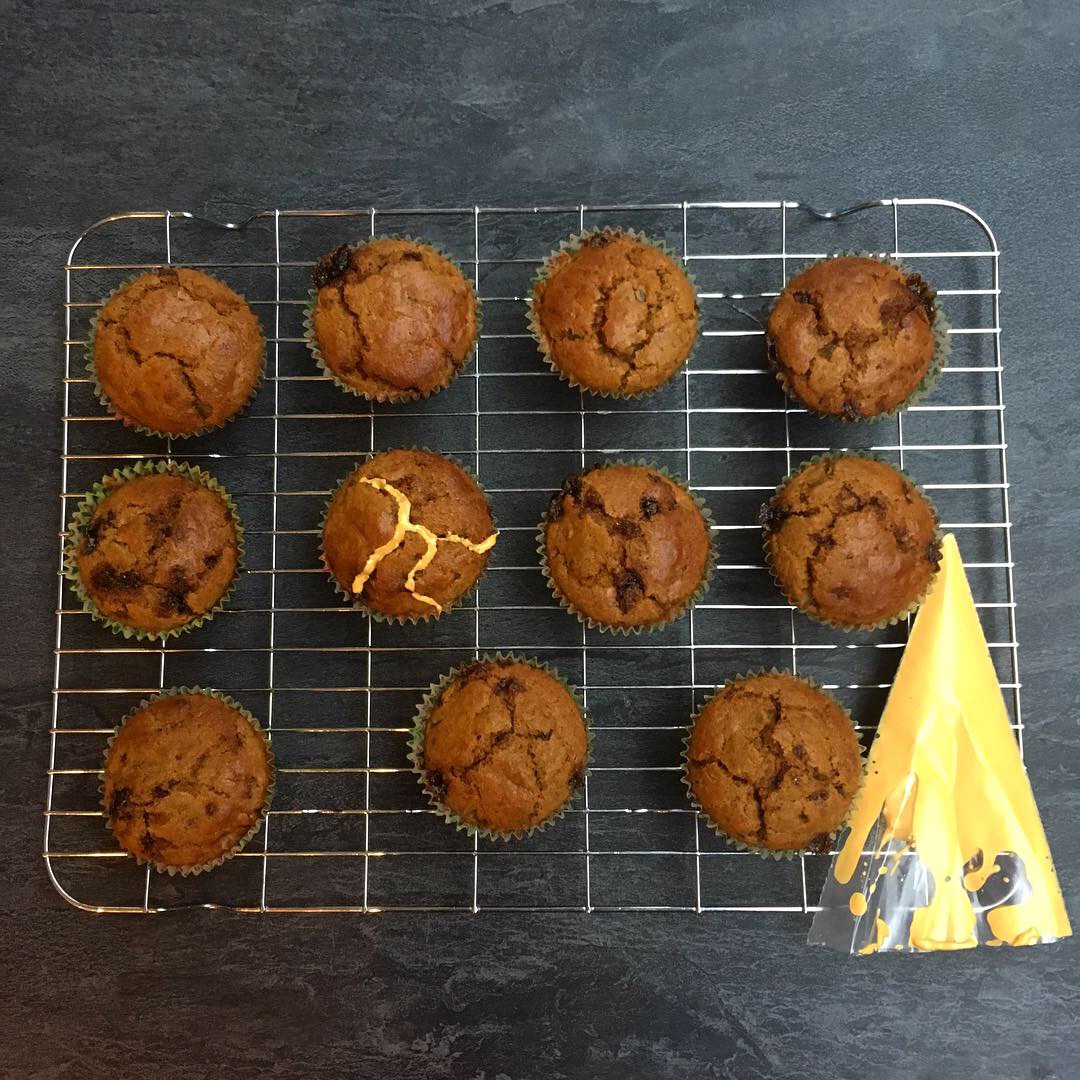
The buns themselves are spicy, with little chewy nuggets of stem ginger and a deep background flavour of treacle. I made the icing with a little fresh lemon juice and some almond extract- water alone would be fine if you prefer a plain icing but I think the sharp lemon flavour with the rich almond is delicious.
Gluten free Gingerbread Buns: (makes 12)
170g gluten free self-raising flour
170g butter
3 eggs
55g dark brown sugar (fresh is best to avoid lumps)
55g treacle
Stem ginger in syrup (I used 4 balls, chopped finely)
1 tsp each of cinnamon, ginger, nutmeg and allspice
For the icing:
100g icing sugar
2 tsp lemon juice
1 tsp almond extract
Edible gold dust
- Place paper cases into a 12-hole tin and preheat the oven to 180 degrees.
- Cream the butter with the sugar, treacle and spices. To make measuring the treacle easier, first measure your sugar in your measuring bowl and then add the treacle on top of the sugar. When you pour the two into your mixing bowl then the treacle will slide right off on the sugar instead of sticking to the bowl.
- Add the flour and eggs to the butter mixture and combine. Lastly, fold in the chopped stem ginger.
- Fill the paper cases evenly and bake the cakes for roughly 12 minutes. The tops of the cakes will be firm to touch and an inserted toothpick will emerge clean.
- Whilst the cakes cool. combine your icing ingredients with a very small amount of water until you have an icing which is suitably golden and not too runny. Add the liquids slowly until you are happy with the texture.
- I then cut the end off a piping bag to make it smaller and filled the piping bag with the icing. I cut the very end off the piping bag in order to make a very small hole to pipe through.
- Pipe the icing into the cracks on your cakes.
 Dandy Bakes